Why the Right Machine Matters
Waste reduction and minimisation is a core part of cutting costs, meeting compliance requirements, and keeping operations efficient. But many facilities get stuck at the same question: baler or compactor - which one do we really need?
At Rokiwaste, we don’t believe in a one-size-fits-all answer. Instead, our engineers assess your waste streams, site layout, and operational goals before recommending the right solution: sometimes a baler, sometimes a compactor, and in some cases, both.
What’s the Difference Between a Baler and a Compactor?
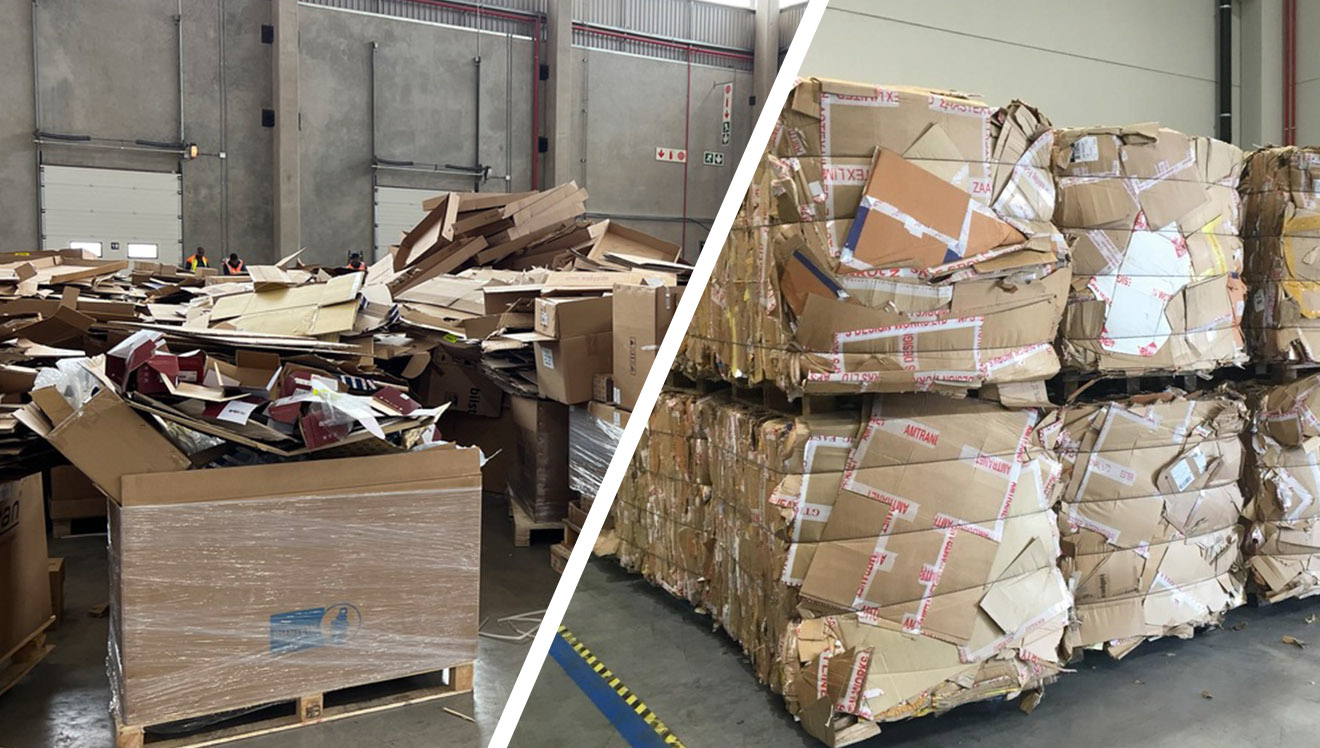
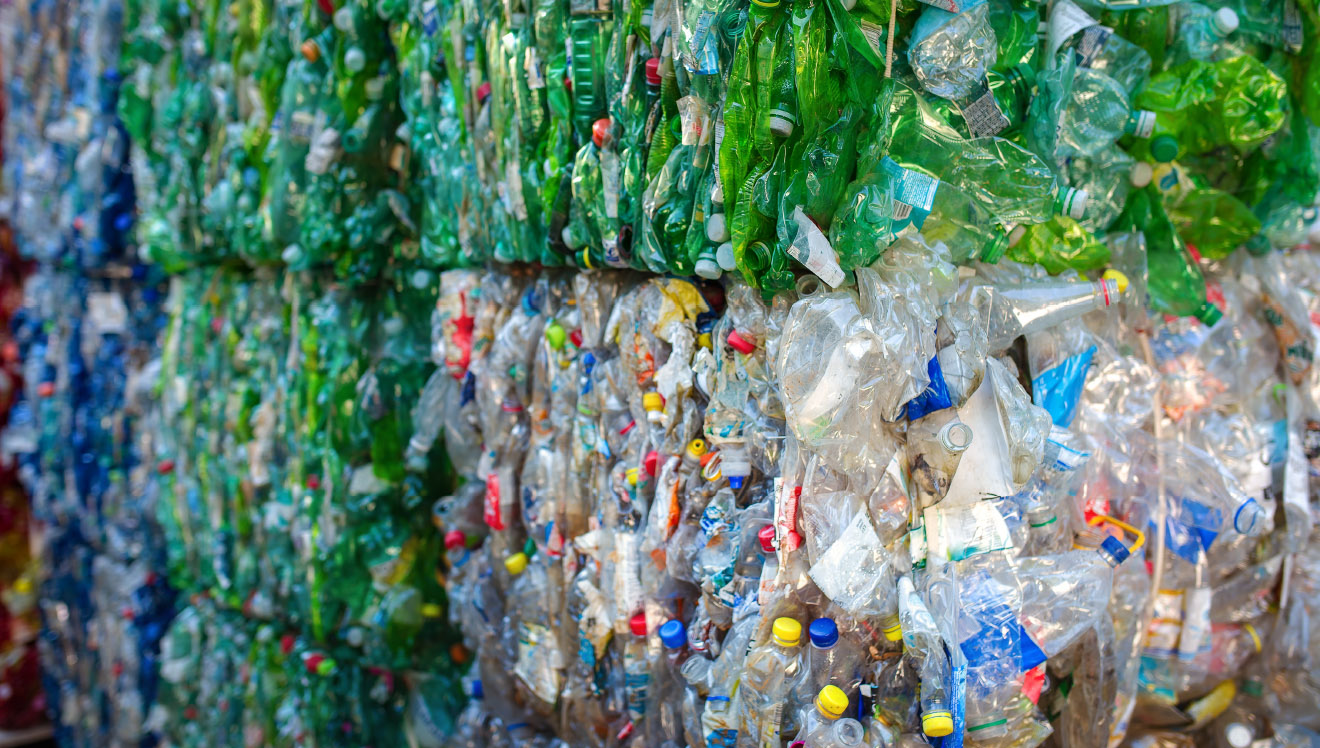
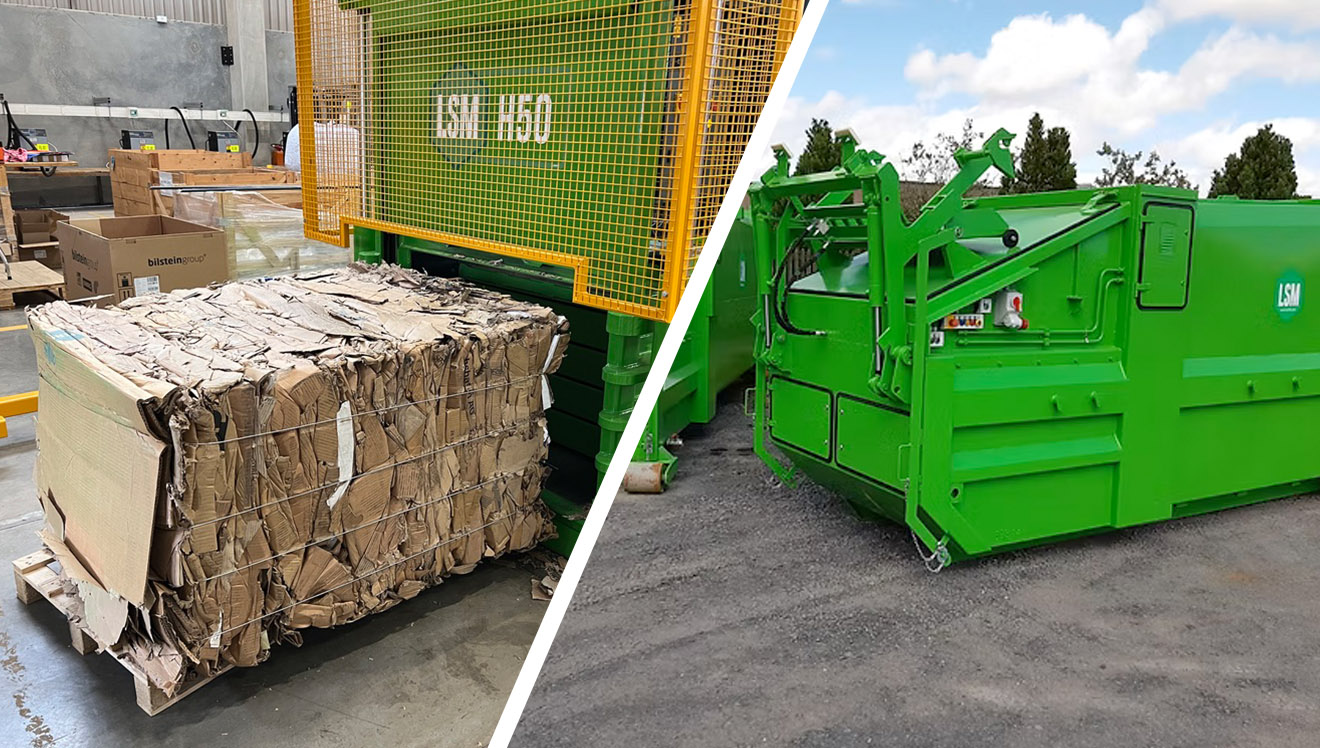
- Balers compress recyclable materials (like cardboard, paper, and plastics) into dense bales. These bales are easy to store, transport, and even sell, supporting your recycling strategy.
- Compactors handle mixed or non-recyclable waste, compressing it into denser loads for more efficient transport to landfill. They’re especially effective with food waste, contaminated packaging, or general mixed waste.
Understanding the difference between a baler machine vs compactor machine helps you avoid downtime, wasted space, and unnecessary costs.
When to Choose Industrial Balers
Balers work best in facilities generating high volumes of dry, recyclable materials, such as:
- FMCG production sites
- Distribution centres and warehouses
- Retail and packaging hubs
TIP:
Balers are most effective when paired with a clear recycling stream and enough floor space for both the machine and bale storage.
When Compactors Are the Better Option
- Malls and retail centres
- Healthcare facilities
- Manufacturing plants
- Office parks
NOTE:
How Rokiwaste Helps You Choose
- On-site waste stream analysis: volumes, types, and frequency.
- Custom-engineered systems: balers, compactors, or a combination, built for African conditions.
- Energy-efficient designs: machines that save costs without sacrificing performance.
- Nationwide support: whether you’re in Johannesburg, Durban, Cape Town, or beyond, our engineers provide installation, training, and ongoing maintenance.
Conclusion: Choosing Between a Baler and a Compactor
- Use balers if your facility produces high volumes of recyclable packaging.
- Choose compactors if you deal with mixed or general waste that needs volume reduction
- Or work with Rokiwaste to design a custom solution that combines both for maximum efficiency.
Still deciding between a baler and a compactor? Talk to our team today and let Rokiwaste design the right solution for your site.
FAQs: Balers vs. Compactors
What’s the main difference between a baler and a compactor?
A baler compresses recyclable materials like cardboard, plastics, and paper into dense bales for easier storage, transport, or resale. A compactor compresses mixed or general waste into smaller volumes for cheaper, more efficient disposal.
Which is cheaper: a baler or a compactor?
Upfront costs vary depending on size and capacity, but the long-term savings depend on your waste stream. Balers often create revenue opportunities by selling recyclables, while compactors reduce transport and collection costs. Rokiwaste can provide a cost–benefit analysis for your site.
Do I need both a baler and a compactor?
Some facilities do. For example, a distribution centre might use a baler for cardboard and plastic recyclables while also running a compactor for mixed or food waste. Rokiwaste engineers can assess your site to determine if a combination is best.
How much space do balers and compactors need?
Balers require space for the machine itself and bale storage. Compactors usually need clearance for loading and offloading, especially static or roll-on/roll-off models. Rokiwaste designs and configures equipment to fit your available space.
Which industries typically use balers vs. compactors?
- Balers: FMCG, retail, logistics, packaging, and recycling operations.
- Compactors: malls, healthcare, manufacturing, food & beverage, and general facilities.