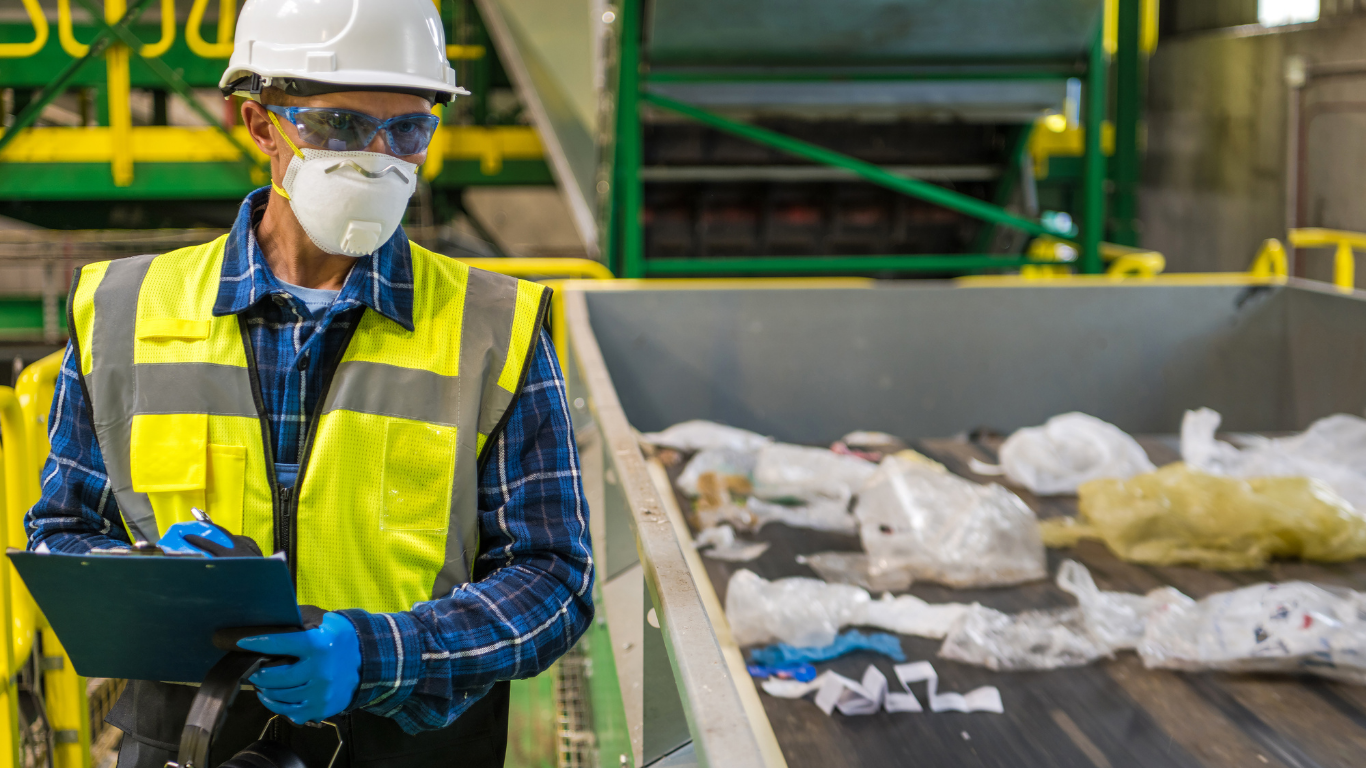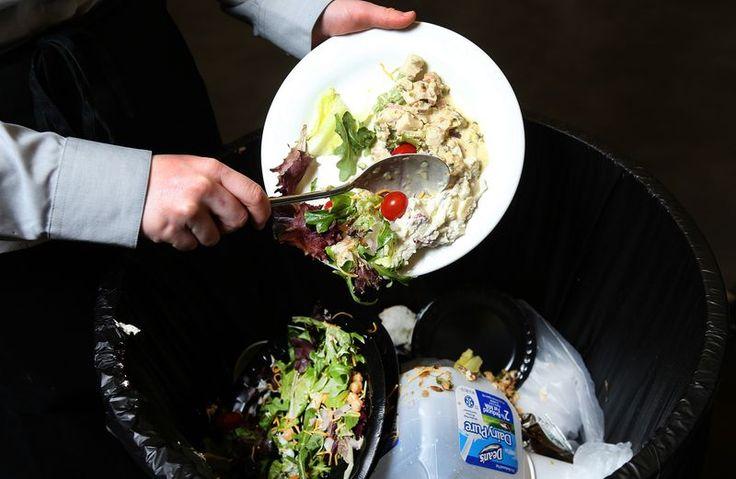
Waste management in food and beverage environments is far more complex than in most industries. Kitchens, bars, and delivery zones all generate waste at different times of the day – often with high moisture content and strict hygiene requirements.
Because of this, many operators assume that the only way to manage growing waste volumes is to increase collection frequency. But collections are one of the most expensive parts of waste management.
Leading operators instead focus on improving how waste is handled inside the facility.
In this blog you will learn:
- Why wet waste quickly increases waste volume and disposal costs
- How contamination reduces recycling value and slows waste handling
- Practical ways to improve hygiene and waste throughput in food environments
The Waste Problem Many Food & Beverage Facilities Don’t Measure
Food and beverage operations often focus on production efficiency, inventory management and delivery logistics.
However, poor waste handling practices quietly drives operational costs through:
- Higher collection frequency
- Increased labour for waste handling
- Contamination of recyclable materials
- Hygiene risks in back-of-house areas
In many facilities, waste rooms fill up quickly because materials are stored loosely rather than densified. Operators respond by scheduling more collections instead of improving internal waste handling efficiency.
The result is rising waste management costs without addressing the underlying operational problem.
Wet Waste: Why Moisture Quickly Increases Waste Volume
Wet waste is one of the most underestimated drivers of waste costs in food environments.
Liquids from food preparation, beverage containers, spoiled products and condensation can quickly saturate packaging materials. Once cardboard or cartons absorb moisture, they collapse and lose structural strength.
This creates two operational problems:
1. Waste occupies more space
Wet cardboard and packaging compress poorly when stored loosely, causing waste rooms to fill faster.
2. Recycling streams become contaminated
When moisture mixes with recyclable materials, those materials often become unsuitable for recycling.
Common wet waste sources in food and beverage facilities include:
- Beverage containers with leftover liquid
- Condensation from refrigerated deliveries
- Organic food preparation waste
Separating wet waste early helps protect recyclable materials and keeps waste storage areas more manageable.
Contamination: The Cost of Mixed Waste Streams
In busy kitchens and service environments, waste is often disposed of quickly without proper separation. Over time, recyclable materials become mixed with food waste, liquids and general refuse.
This contamination has several consequences:
| Contamination Source | Operational Impact |
| Food residue on cardboard | Recyclers reject the material |
| Liquids leaking into paper waste | Materials degrade quickly |
| Plastic film mixed with cardboard | Sorting becomes labour-intensive |
| Organic waste in recycling bins | Entire loads may be diverted to landfill |
When waste streams are not separated properly, facilities not only lose the opportunity to recycle valuable materials but they must pay higher disposal costs.
Establishing clear separation between organic waste, recyclables and general waste helps operators maintain cleaner streams and reduce handling time.
Hygiene: Why Waste Handling Must Support Food Safety
Waste storage areas in food and beverage environments must meet strict hygiene standards.
Loose waste stored in open containers can quickly lead to:
- Odours developing in back-of-house areas
- Increased pest attraction
- Cross-contamination risks
For this reason, waste management should be designed to contain waste, not simply store it until collection. This can be achieved by keeping organic waste in sealed systems, and compacting or baling packaging waste so it occupies less space and remains contained between collections.
Throughput: Waste Handling Must Match Operational Speed
Food and beverage operations generate waste quickly throughout the day. When waste systems can’t keep up, waste areas become congested, with cardboard piling up, bins overflowing, and waste rooms filling before scheduled collections.
Improving waste throughput means enabling waste to be processed quickly and consistently without interrupting operations.
This is typically achieved by:
- Reduce manual handling so staff aren’t breaking down boxes
- Compact packaging waste so more material fits between collections
- Place equipment near waste generation areas
- Match equipment capacity to delivery volumes
Practical Ways Food Operators Reduce Waste Costs
1. Separate wet waste at the source
Keep food waste and liquids separate from packaging to prevent cardboard and paper recyclables becoming saturated.
2. Empty containers before disposal
Residual liquids from bottles, cans and food packaging quickly contaminate cardboard recycling.
3. Place waste streams where waste is generated
Position dedicated bins for organics, cardboard and plastics in kitchens and receiving areas.
4. Contain and densify packaging waste
Compacting or baling cardboard prevents loose waste from filling storage areas.
5. Position waste equipment near delivery zones
Locating equipment near receiving areas allows packaging waste to be processed immediately.
Improving Waste Efficiency in Food & Beverage Operations
In high-volume food environments, waste management should support operations rather than slow them down. When wet waste is controlled, recyclable streams remain clean and packaging waste is densified, facilities can handle larger volumes without increasing collections.
Rokiwaste helps food and beverage operators implement practical waste systems using engineered balers, compactors and shredders designed for busy operational environments.
These solutions improve waste density, containment and handling flow.
Contact the Rokiwaste team to explore waste solutions tailored to your facility.